Unlocking Global Opportunities: The Ultimate Guide to Summer Study Abroad Programs
Stepping out of your comfort zone is the first milestone toward personal and professional transformation. For college students and lifelong learners, standard academic terms can sometimes feel constrained by routine. This is where summer study abroad programs enter the picture as a dynamic educational alternative. Instead of spending your summer break repeating the usual routines at home, these programs allow you to turn the world into your lecture hall.

A condensed term overseas offers the perfect intersection of focused academic growth, career development, and deep cultural immersion. Whether you want to learn a new language in a Mediterranean coastal town, study global economics in a bustling Asian financial hub, or complete a fast-paced internship in a European tech hub, short-term international programs provide immense value without delaying your graduation timeline.
Why Choose a Summer Term to Study Abroad?
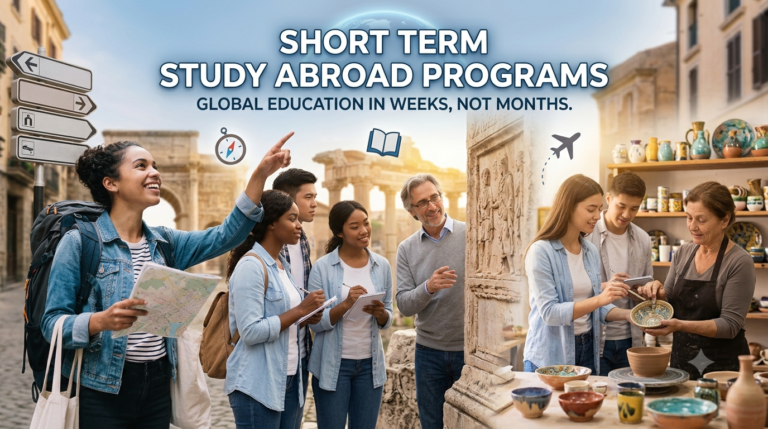
Traditional semester-long or year-long study abroad options require a massive logistical and emotional commitment. Many students find it difficult to leave their home campus for five to ten months due to strict course sequences, athletic commitments, or on-campus jobs. Summer programs solve these dilemmas by squeezing a high-impact educational experience into a manageable window, typically lasting anywhere from three to eight weeks.
Academic Flexibility and Acceleration
Taking major or elective courses during the summer lets you focus entirely on one or two subjects without the distraction of a full five-course load. Many institutions design summer curricula around experiential learning, meaning your coursework directly ties into the local environment.

For example, studying marine biology right along Australia’s Gold Coast or exploring Renaissance art history inside the museums of Florence provides a level of contextual understanding that a textbook simply cannot match.
The Ultimate Resume Booster
In today’s highly integrated global job market, companies look for candidates who exhibit adaptability, cross-cultural communication skills, and independence. Completing coursework or a short-term global internship over the summer shows future employers that you are proactive and globally minded. It proves you can successfully navigate unfamiliar environments and collaborate with people from diverse cultural backgrounds.
Top Global Destinations for Summer Study Abroad Programs
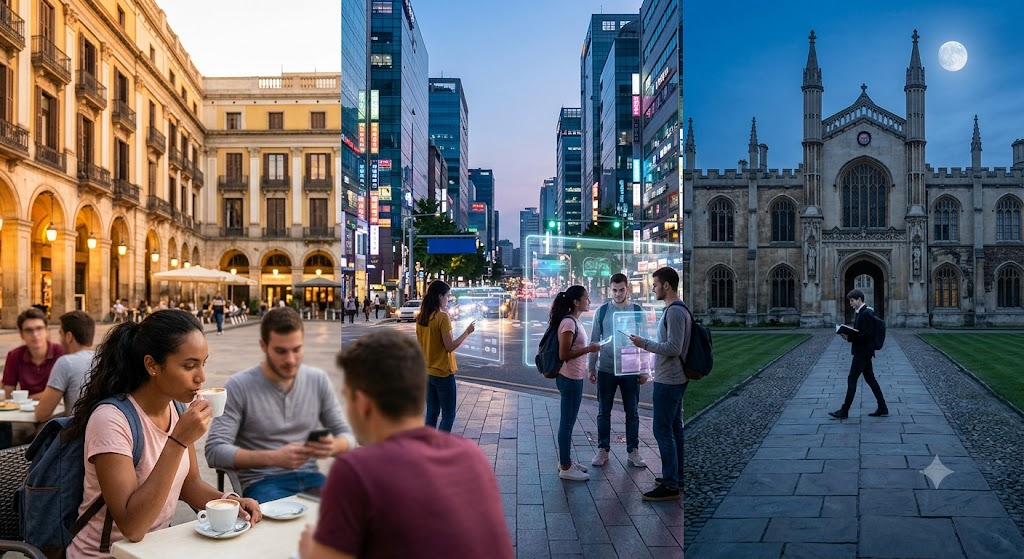
Choosing the right location depends heavily on your academic major, budget, and personal interests. Global mobility trends highlight a mix of classic academic capitals and rapidly emerging educational hubs.
| Destination | Best Academic Focus Areas | Unique Appeal for Students |
|---|---|---|
| Spain (e.g., Seville, Barcelona) | Spanish Language, International Business, Politics | Rich Mediterranean lifestyle, vibrant history, and excellent terrace culture. |
| South Korea (e.g., Seoul) | STEM, Tech Innovation, Media, East Asian Studies | Perfect blend of ancient history and cutting-edge digital infrastructure. |
| United Kingdom (e.g., Cambridge, London) | English Literature, Data Science, Corporate Finance | World-renowned historic universities with zero language barrier. |
| Germany (e.g., Berlin) | Engineering, Sustainable Business, Internships | Europe’s economic powerhouse with highly structured student-to-employee pathways. |
| Czech Republic (e.g., Prague) | Psychology, Neuroscience, Central European History | Enchanting architecture, highly safe environments, and lower living costs. |
Evolving Formats: Internships, Research, and Bootcamps
The modern landscape of summer study abroad programs extends far beyond traditional classroom lectures. Programs are increasingly structured around practical skill acquisition and career readiness.

[Traditional Lecture Courses] ──> Focus on theory & language immersion
[Work-Integrated Internships] ──> Gain professional resume credits abroad
[Intensive Startup Bootcamps] ──> Launch ventures with elite global mentors
Global Internships and Work-Integrated Learning
Many students utilize their summer to participate in international internship programs. Organizations like CIEE and CEA CAPA offer structured summer placement programs in major business capitals like Berlin, Dublin, and Tokyo. These pathways combine localized academic seminars with practical, real-world work experience inside international corporations, creative agencies, or non-profit organizations.
Innovation Bootcamps and Applied Research
For aspiring entrepreneurs and tech-focused students, short-term summer bootcamps have become incredibly popular. Programs like the European Innovation Academy provide accelerated three-week startup bootcamps where international student teams build scalable tech models alongside mentors from top Silicon Valley firms. Similarly, research-oriented institutions like ETH Zurich offer summer research fellowships that give STEM students hands-on lab experience under top-tier global faculty.
Financial Planning: Making Short-Term Study Affordable
One of the greatest myths surrounding study abroad is that it is strictly reserved for affluent students. Because summer sessions are much shorter than a traditional academic semester, overall tuition, housing, and living expenses are naturally lower.
Estimated Summer Costs Breakdown:
┌──────────────────────────────┐
│  Tuition & Program Fees      │ ░░░░░░░░░░░░░░░░░░░░ 55%
├──────────────────────────────┤
│  Housing & Accommodations   │ ░░░░░░░░░░ 25%
├──────────────────────────────┤
│  Flights & Personal Travel   │ ░░░░░░ 15%
├──────────────────────────────┤
│  Local Meals & Incidentals   │ ░░ 5%
└──────────────────────────────┘
Leveraging Scholarships and Grants
Most institutional financial aid can be applied to university-sanctioned summer programs. Additionally, major program providers offer robust grants explicitly targeted at short-term summer travelers. Deadlines for summer scholarships generally fall between February and April, making early research imperative.
Choosing Low-Cost Destinations
If you are working with a tight budget, look beyond the most expensive global capitals. Choosing emerging educational destinations like the Czech Republic, Portugal, or Vietnam allows you to benefit from exceptionally low local living costs while still earning highly respected academic credits from top-tier international partner institutions.
Frequently Asked Questions
1. Can I participate in a summer study abroad program if I don’t speak the local language?
Absolutely. The vast majority of international summer programs offer their academic tracks completely in English. While you are highly encouraged to take introductory language courses or practice with locals to enrich your cultural experience, previous fluency is rarely a prerequisite for admission.
2. How do I make sure the credits I earn abroad will transfer back to my home university?
Before committing to any program, you must work closely with your home university’s study abroad office and academic advisor. You will need to complete a prior credit approval form, matching the foreign course syllabus with an equivalent course or elective requirement at your home institution to ensure seamless transfer.
3. Are summer study abroad programs open to graduating seniors?
Yes, many programs accept graduating seniors, provided the credits are processed before your official degree conferral date. Alternatively, many students use the summer immediately following graduation to complete an international internship program to bridge the gap between college and their career.
4. What kind of student housing is typically provided during the summer?
Housing options vary by destination and provider. The most common arrangements include Purpose-Built Student Accommodations (PBSAs), university dormitories, shared student apartments, or local host family stays. Host families provide the highest level of cultural and language immersion, while student apartments offer more independent living.
5. Do I need a student visa for a short-term summer program?
It depends on your citizenship, the destination country, and the exact length of your stay. For programs under 90 days, citizens of many nations can enter regions like the European Schengen Area or Japan on standard tourist waivers. However, programs involving paid internships or longer stays usually require a specific student or exchange visa.
6. Can I work a part-time job while studying abroad during the summer?
Visa regulations regarding student work rights are strict. While countries like Spain and South Korea have recently expanded part-time work allowances for international students, these rules usually apply to long-term visa holders enrolled in full-time degree programs. Short-term summer students generally cannot work locally off-campus.
7. How far in advance should I start applying for a summer program?
It is ideal to start researching and preparing your application three to six months before departure. Most competitive summer programs have rolling admissions or final application deadlines falling between February and April. Early application gives you a better chance at securing priority housing and competitive scholarships.
8. What happens if I experience a medical emergency while studying in another country?
Reputable study abroad providers and universities bundle comprehensive international health and travel insurance into their program fees. This coverage typically includes 24/7 emergency assistance hotlines, local medical clinic visits, hospital stays, and emergency medical evacuation if required.
9. Can science, technology, engineering, and math (STEM) majors find relevant summer programs?
Yes, STEM-focused summer programs are growing rapidly. Many international universities offer specialized summer tracks in data science, advanced engineering, neuroscience, and environmental science, allowing STEM students to gain global perspectives without disrupting their tight on-campus course sequences.
10. How do summer study abroad programs compare in cost to a full semester?
On an absolute basis, summer programs are cheaper because you are paying for fewer weeks of housing, food, and local tuition. However, when calculated as a per-week expense, summer programs can occasionally look higher due to fixed upfront costs like international round-trip flights and administrative program fees.
Conclusion
Enrolling in summer study abroad programs is an efficient, high-impact way to maximize your academic journey and transform your global perspective. By condensing the traditional international experience into a focused summer block, you can fast-track your academic credits, build a stellar global resume, and forge lifelong international friendships without disrupting your traditional academic year. If you are eager to differentiate yourself in a crowded job market while experiencing the adventure of a lifetime, start exploring your summer program options today.