The Ultimate Guide to UW Madison Study Abroad Programs: Pack Your Bags, Badgers!
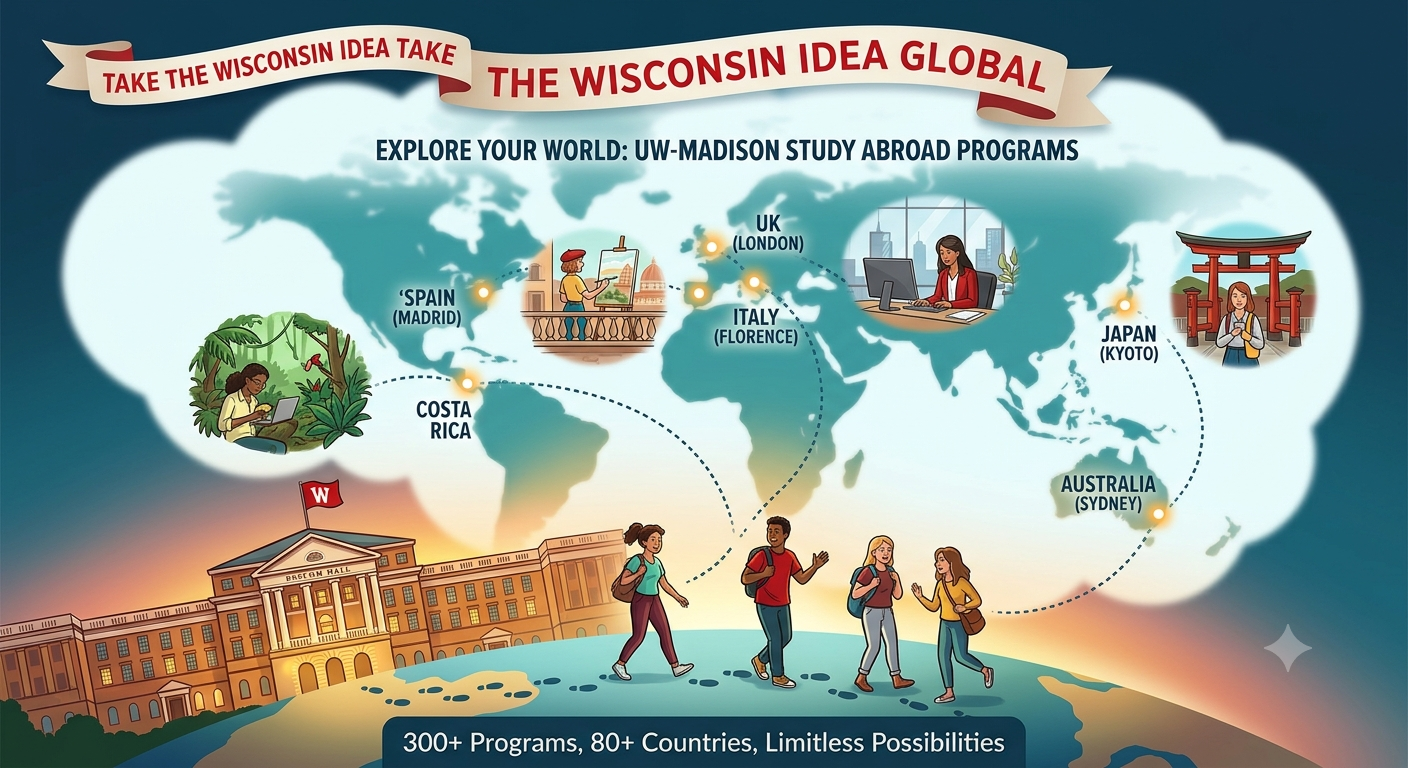
The world is a massive, beautiful classroom, and there is no better way to experience it than by taking your education global. For students at the University of Wisconsin-Madison, studying overseas is not just a distant dream—it is a cornerstone of the Badger identity. Guided by the famous “Wisconsin Idea”—the principle that education should influence people’s lives beyond the boundaries of the classroom—tens of thousands of students have taken their studies to all corners of the globe.
As a national powerhouse in global education, UW–Madison consistently ranks among the top institutions in the country for international learning. According to the latest Open Doors Report, UW–Madison ranked #6 nationally for overall study abroad participation, with over 3,000 Badgers packing their bags and going abroad in a single academic year. Whether you want to study art history in the shadow of Florence’s Duomo, conduct conservation research in the jungles of Costa Rica, or intern at a tech startup in Sydney, uw madison study abroad programs offer an entry point to unmatched global opportunities.
Why Choose UW Madison Study Abroad Programs?
Deciding to spend a summer, semester, or full academic year in a foreign country can feel intimidating, but the rewards are immeasurable. Engaging with uw madison study abroad programs does more than just fill your passport with stamps; it shapes your future career, broadens your worldview, and builds invaluable life skills.
UW–Madison’s International Academic Programs (IAP) and affiliated campus offices make the entire process highly accessible. Here are the key reasons why Badgers choose to study abroad:
- Diverse Options: With over 300 programs spread across more than 80 countries, you are virtually guaranteed to find a program that aligns with your interests.
- Career Readiness: Employers actively seek graduates who possess adaptability, cross-cultural communication skills, and global perspectives.
- Seamless Credit Transfer: UW-Madison works diligently to ensure that the academic credits you earn abroad transfer back seamlessly to keep you on track for graduation.
- Affordable Paths: Through extensive scholarships, financial aid portability, and specialized grants, global travel is within reach for students of all economic backgrounds.
Types of Study Abroad Programs at UW–Madison
Every student’s academic path is unique. Some Badgers want to spend a full year fully immersed in a foreign language, while others have tight course schedules that only allow for a quick two-week trip during winter break. Fortunately, the portfolio of uw madison study abroad programs is designed to fit every schedule, major, and budget.

1. Faculty-Led Short-Term Programs
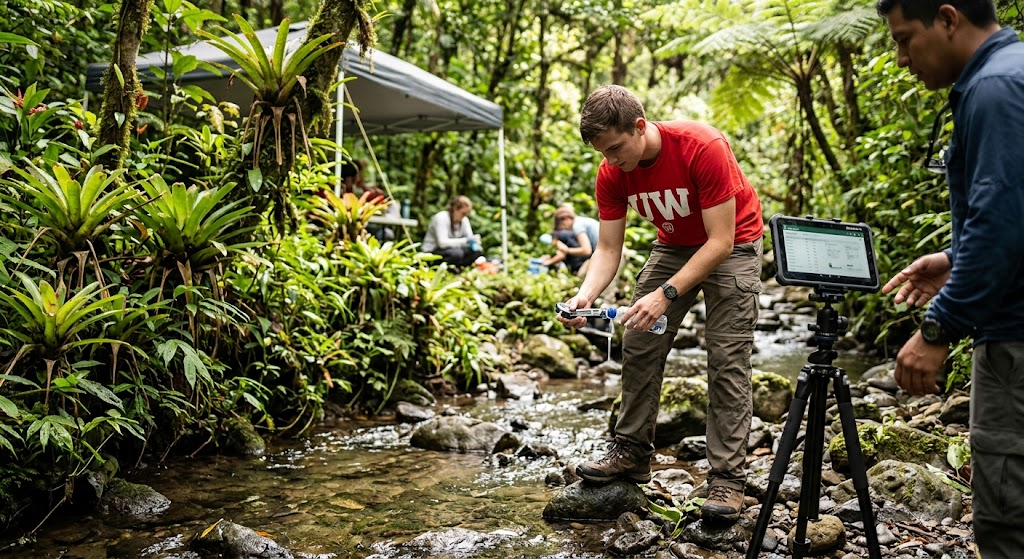
These programs are ideal for students who want a structured, highly focused experience without committing to a full semester away. Led by distinguished UW-Madison faculty members, these programs typically run for two to six weeks during winter intersession, spring break, or summer. You travel in a cohort of 12 to 18 fellow Badgers, exploring specific themes such as Global Health in Uganda, Sustainable Food Systems in Italy, or Tropical Horticulture in Costa Rica.
2. Semester and Academic Year Exchanges
For those seeking deep cultural and linguistic immersion, semester- or year-long exchanges are the gold standard. On these programs, you enroll directly at a prestigious partner university abroad—such as Trinity College Dublin, National University of Singapore, or the University of Seville. You live like a local student, navigate a new university system, and gain an authentic, unfiltered experience of daily life in another country.
3. Global Internships and Research Programs
Who says studying abroad has to happen in a traditional lecture hall? UW-Madison offers incredible opportunities to gain hands-on professional or academic experience overseas. Through global internships, you can build your resume at multinational companies, non-profit organizations, or healthcare facilities. Meanwhile, summer research programs match you with mentors at world-class international labs, allowing you to conduct cutting-edge scientific inquiries.
Popular Destinations for Badgers
While UW-Madison students travel to virtually every continent (except Antarctica!), several destinations stand out as perpetual favorites. These locations blend top-tier academics with rich histories and vibrant local cultures.
| Destination | Typical Duration | Best Academic Matches | Primary Language of Instruction |
| Spain (Madrid, Seville, Barcelona) | Semester or Summer | Spanish Language, Business, Communications | Spanish & English |
| Italy (Florence, Rome, Milan) | Semester or Summer | Art History, Food Systems, Business | English & Italian |
| United Kingdom (London, Edinburgh) | Semester or Summer | Literature, Theatre, Political Science | English |
| Costa Rica | Winter Intersession or Summer | Environmental Sciences, Spanish, Biology | Spanish & English |
| Australia (Sydney, Brisbane) | Semester | Environmental Studies, STEM, Statistics | English |
How to Choose Your Perfect Program
With hundreds of uw madison study abroad programs at your fingertips, narrowing down your choices can feel like looking through a kaleidoscope. To make the selection process smoother, consider mapping out your goals using this step-by-step approach:
- Identify Your Academic Needs: Look at your major requirements. Do you need to complete general education credits, or are you looking for highly specific, upper-level courses in your major? Check the Major Advising Pages (MAPs) provided by IAP to see how past students in your major mapped their trips.
- Determine Your Language Goals: Do you want to learn or perfect a foreign language? If so, seek out immersion programs. If not, do not worry—hundreds of programs in non-English speaking countries offer courses taught entirely in English.
- Reflect on Duration and Timing: Be realistic about how long you want to be away. If you have on-campus leadership roles, athletic commitments, or a job, a short-term summer or winter break program might fit your lifestyle perfectly.
- Evaluate the Cost and Living Situation: Do you want to live in a student dormitory, share an apartment with other international students, or stay with a local host family for maximum cultural immersion? Each option carries different costs and experiences.
Academic Integration: Keeping Graduation on Track
One of the biggest myths surrounding study abroad is that it delays your graduation timeline. At UW-Madison, this is absolutely not the case. The university utilizes a systematic academic approval process to make sure the work you do abroad counts toward your degree progress.
Every course offered through approved uw madison study abroad programs undergoes rigorous vetting. Academic departments on campus evaluate foreign courses and assign them equivalent UW-Madison course numbers and credits. This means that an organic chemistry class taken in Dublin or a microeconomics class completed in Copenhagen will directly satisfy your degree requirements back in Wisconsin.
Before you depart, you will work closely with your academic advisor to complete a Course Equivalency Request (CER). This administrative safety net guarantees how your credits will transfer, eliminating any stressful surprises when you return to Madison.
Costs, Scholarships, and Financial Aid
Many students assume that studying in a foreign country is a luxury they cannot afford. However, UW-Madison is dedicated to keeping global education equitable and affordable.
Important Fact: If you currently receive financial aid (grants, loans, or scholarships) to attend UW-Madison, that aid can generally be applied directly to the cost of your study abroad program.
In fact, because of the lower cost of living in certain host countries, some semester-long study abroad programs actually cost less than spending a semester living and learning on campus in Madison!
Scholarship Opportunities to Watch
To ease the financial burden, Badgers have access to a wide array of specialized scholarships:
- IAP Early Bird Scholarship: Offers up to $2,000 for early applicants on select programs.
- School of Education Signature Grants: Offers dedicated funding for education majors studying on designated programs.
- Promega International Scientific Internship Scholarship: Specifically designed for STEM students conducting biological or chemical research abroad.
- Benjamin A. Gilman International Scholarship: A federal grant providing up to $5,000 for Pell Grant recipients.
Frequently Asked Questions
1. Can non-US citizens or international students at UW-Madison study abroad?
Yes! International students are fully eligible to participate in uw madison study abroad programs. You will need to work closely with the International Student Services (ISS) office to ensure your US student visa (F-1 or J-1) remains active and that you have the correct travel signatures to re-enter the United States.
2. Can I study abroad during my very last semester senior year?
Yes, you can. However, studying abroad during your final semester requires careful coordination. Since it takes time for foreign universities to send official transcripts back to Madison, your graduation date and the actual mailing of your physical diploma may be delayed by a few months.
3. What happens if I get sick or injured while I am in another country?
UW-Madison requires all students participating in university-approved international programs to be enrolled in a comprehensive international health insurance plan (usually through CISI). This insurance covers medical visits, emergency evacuations, and prescription medications while you are abroad.
4. Are there programs designed specifically for LGBTQ+ Badgers?
Absolutely. UW-Madison’s IAP office provides dedicated resources and advising to help LGBTQ+ students select destinations that are welcoming and safe. They offer guidance on local cultural norms, legal protections, and community groups in various host countries.
5. Can I participate in a study abroad program if my GPA is below a 2.5?
While many programs require a cumulative GPA of 2.5 or higher, there are several options that accept a 2.0 GPA. Additionally, some programs allow students to petition for an exception if they can demonstrate academic improvement or explain mitigating circumstances.
6. Are there any “domestic” study abroad programs available?
Yes! If you want a unique off-campus experience but prefer to stay within the United States (or US territories), UW-Madison offers “study away” programs. These include domestic exchange programs with institutions in Hawaii, Puerto Rico, or specialized semester programs in Washington, D.C.
7. Can I work a part-time job while studying abroad?
This depends entirely on the visa regulations of your host country. For instance, some student visas (like in the UK or Australia) allow limited part-time work, while others strictly prohibit it. It is best to plan your finances under the assumption that you will not be working.
8. What is the “J-Term” and how does it relate to study abroad?
“J-Term” stands for January Term (often called winter intersession). It is a popular three-week window between the fall and spring semesters where students can take highly concentrated, short-term courses abroad to earn 2 to 3 credits quickly.
9. Can I go on a study abroad program that is not officially approved by UW-Madison?
While you can technically apply to a non-affiliated program, doing so is highly discouraged. You will have to take a formal leave of absence from the university, your financial aid will not carry over, and there is no guarantee that your credits will transfer back to UW-Madison.
10. How early should I start planning my study abroad experience?
The ideal window to start planning is 9 to 12 months before your intended departure. This gives you ample time to research programs, meet with academic and study abroad advisors, secure letters of recommendation, apply for scholarships, and obtain a passport or visa.
Conclusion
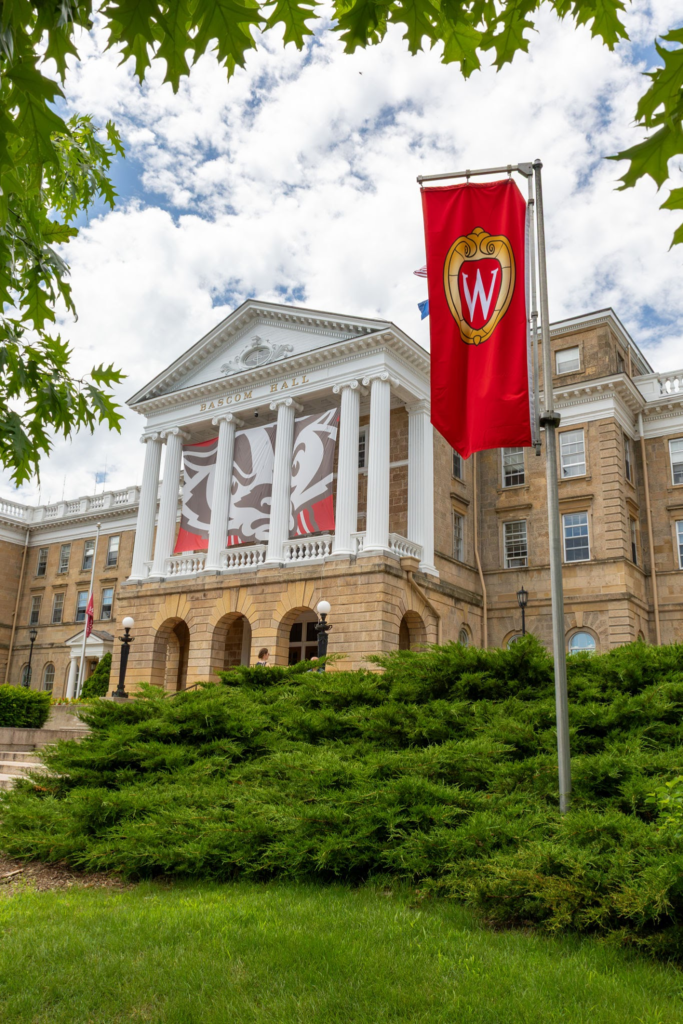
Embarking on a journey through uw madison study abroad programs is one of the most transformative decisions you can make during your undergraduate years. With hundreds of customizable programs spanning the globe, world-class academic support, and robust financial resources, UW–Madison makes it simpler than ever to translate your educational goals into global achievements. Don’t let the opportunity pass you by—start exploring today, take that first step toward Bascom Hill’s advising offices, and prepare to bring the Wisconsin Idea to the rest of the world!