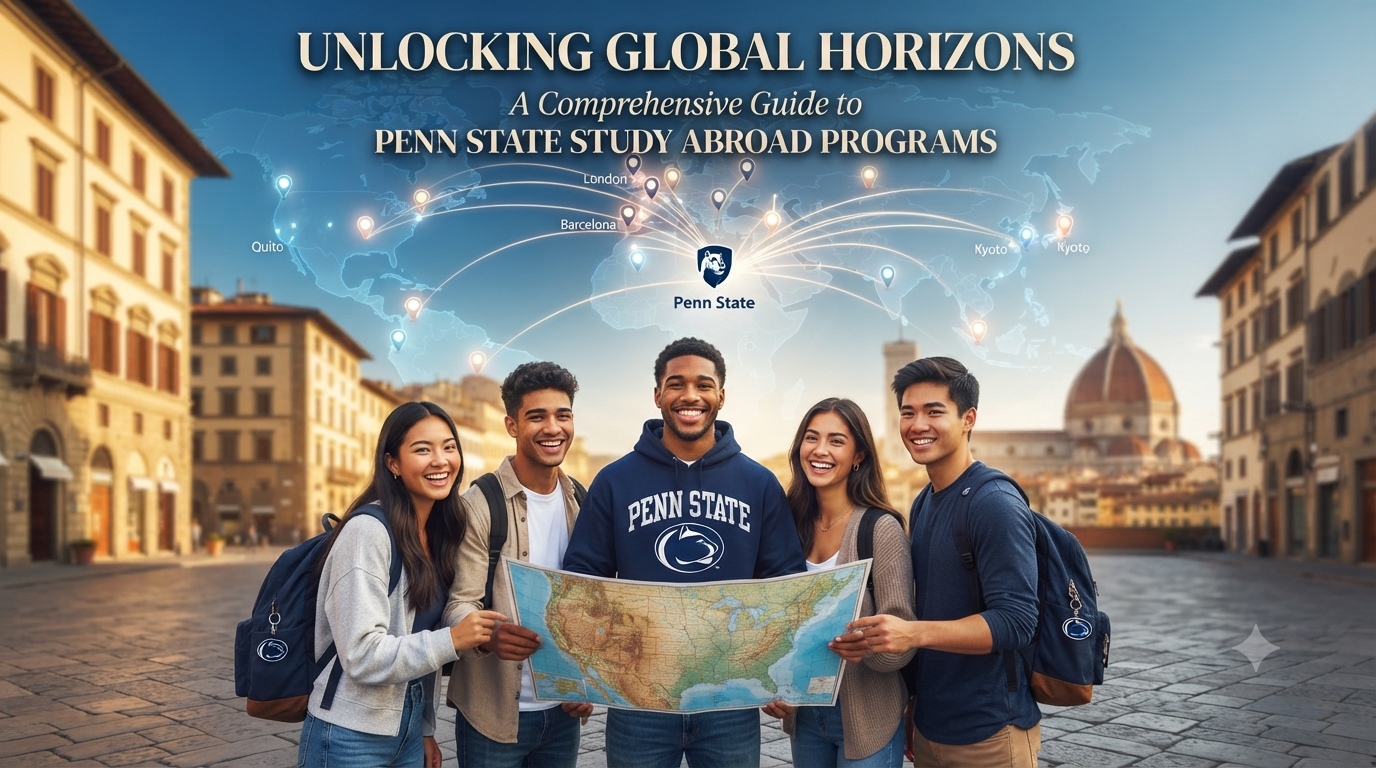
Unlocking Global Horizons: A Comprehensive Guide to Penn State Study Abroad Programs
Higher education is no longer confined to the traditional four walls of a classroom. In an increasingly interconnected world, developing a global perspective is essential for personal growth, academic excellence, and long-term career success. For undergraduate and graduate students at the Pennsylvania State University, expanding horizons beyond domestic borders is made remarkably seamless through penn state study abroad programs. Offering hundreds of diverse options across more than fifty countries, these international initiatives allow learners to immerse themselves in new cultures while staying tightly integrated with their core degree progress.
Whether you want to spend an entire academic year mastering a foreign language, complete a summer internship in a bustling international metropolis, or join a short-term faculty-led excursion over spring break, the university provides tailored pathways for every major. Navigating these opportunities effectively requires a clear understanding of the program models available, financial planning strategies, and the steps necessary to turn international academic dreams into reality.
The Value of Global Education: Why International Experience Matters
Choosing to study outside of the United States offers transformative advantages that extend far beyond earning routine credits. Employers today actively seek candidates who possess cross-cultural competence, adaptability, and problem-solving skills honed in unfamiliar environments. When students engage with penn state study abroad programs, they are challenged to step out of their comfort zones, overcome language barriers, and navigate complex logistical situations independently.

Furthermore, these programs are structured to ensure academic continuity. Rather than delaying graduation, participants can fulfill major requirements, general education credits, or minor prerequisites. Collaborating with academic advisers ensures that coursework completed overseas transfers directly back to the university transcript, making international education a practical and strategic choice for any degree track.
Exploring the Diverse Types of International Offerings
To accommodate varying schedules, academic needs, and comfort levels, the university administers several distinct categories of international experiences. Understanding these structural differences helps students choose the path that best fits their personal goals.
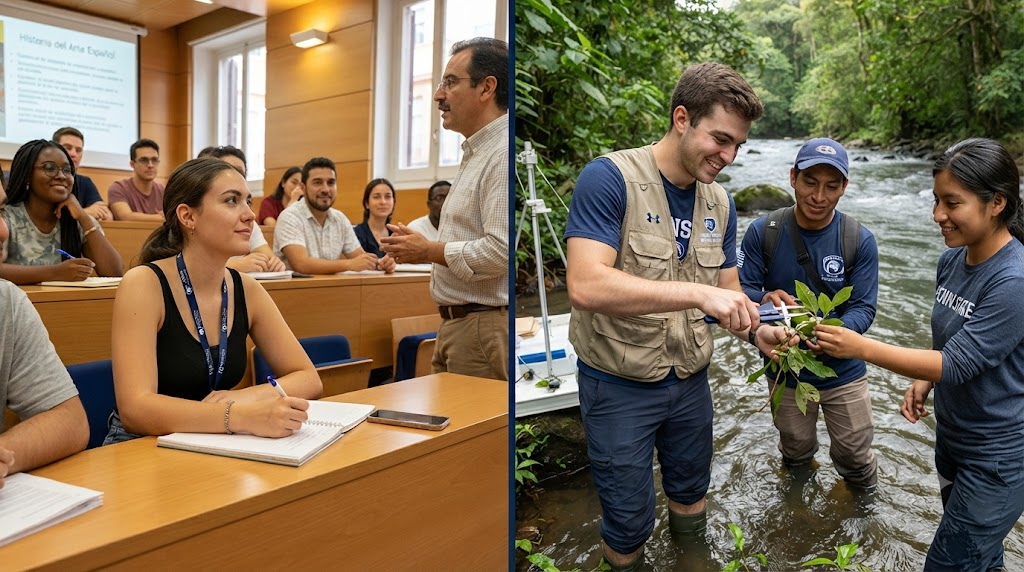
1. Direct Enrollment and Exchange Programs
- Direct Enrollment: Students enroll directly as international visiting students at a host foreign university. This model offers total immersion, as participants attend classes alongside local students and manage housing independently or through the host institution’s international office.
- Exchange Programs: Operating on a reciprocal student exchange framework, these options are often among the most cost-effective semester or academic-year choices. Because admissions are competitive, they require a high degree of self-reliance and academic preparation.
2. Study Center Programs
Organized in partnership with prominent non-profit educational organizations such as IES Abroad, CIEE, or Arcadia, Study Center programs are hosted in dedicated facilities abroad. They typically feature on-site support staff, structured excursions, and curated housing options like homestays or student apartments. Courses may be taught alongside other American students or integrated with local university lectures.
3. Faculty-Led and Embedded Options
For students who cannot commit to an entire semester away from their primary campus, short-term options provide an ideal middle ground:
- Faculty-Led Freestanding: Short programs operating primarily during the summer term or semester breaks, led directly by university faculty members focusing on specialized thematic disciplines.
- Embedded Programs: These combine an on-campus undergraduate or graduate course with a short, 5-to-10-day international travel component occurring over winter, spring, or fall breaks.
| Program Type | Typical Duration | Primary Academic Environment | Ideal For |
|---|---|---|---|
| Exchange / Direct | 1 Semester to 1 Year | Local host universities | High independence and cultural integration |
| Study Center | Summer or Semester | Dedicated international centers | Structured support and organized excursions |
| Faculty-Led | 3 to 8 Weeks | Cohort with university peers | Focused disciplinary studies and themed learning |
| Embedded | 5 to 10 Days | On-campus class + brief travel | Students with tight semester schedules |
Navigating Financial Planning, Costs, and Scholarships
A common misconception is that international academic travel is prohibitively expensive. In reality, with early planning and resourceful budgeting, penn state study abroad programs can align with diverse financial situations. The total cost varies depending on geographic location, program duration, currency exchange rates, and what is included in the program fee (such as housing, excursions, and international health insurance).
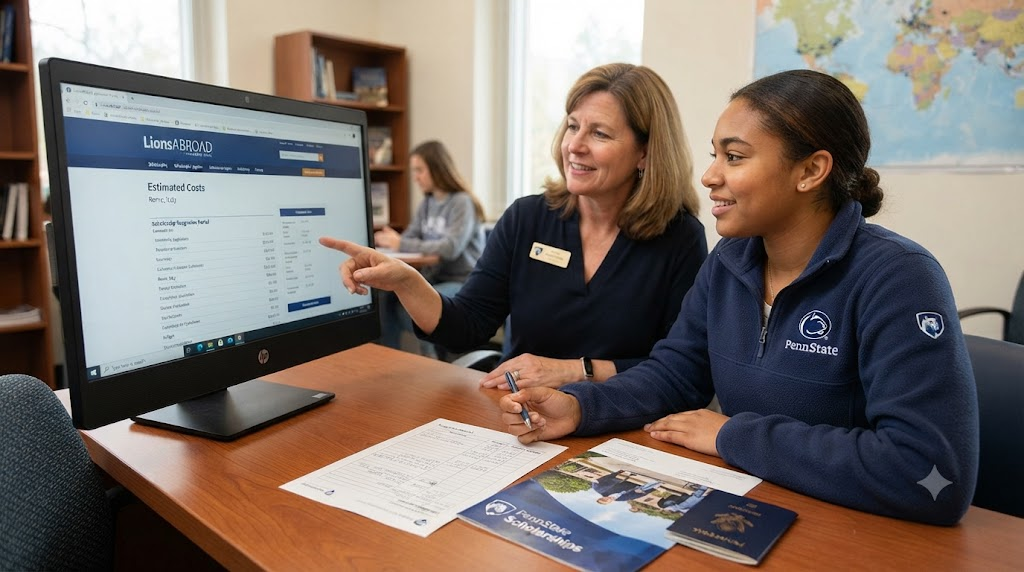
Students are encouraged to utilize their existing financial aid packages, as many federal, state, and institutional aid awards apply to approved international terms. Additionally, the university system and external providers offer numerous targeted scholarships. Dedicated grant applications are available directly through the LionsABROAD portal, helping reduce the out-of-pocket burden for qualified applicants.
Step-by-Step Application Process and Timeline
Embarking on an international academic journey requires careful organization. Initiating the process well in advance ensures that visa requirements, course approvals, and housing deposits are handled smoothly.
- Attend an Information Session: Begin by exploring introductory sessions hosted by the Education Abroad office or campus-specific global engagement centers.
- Consult Academic Advisers: Meet with your major adviser to map out optimal semesters for travel and identify required courses that can be taken abroad.
- Search and Select Programs: Use the online global portal to filter choices by major, region, language prerequisites, and term length.
- Submit Applications: Complete internal university applications alongside any partner-provider requirements prior to strict campus deadlines.
- Pre-Departure Preparation: Fulfill mandatory health clearances, attend pre-departure orientations, and secure necessary entry visas.
Frequently Asked Questions
1. Do I need to be fluent in a foreign language to participate?
No. While language immersion options exist, a large percentage of programs—including those in non-English-speaking countries—offer coursework taught entirely in English, making global experiences accessible to all majors.
2. Can World Campus students join these international programs?
Yes, students enrolled through World Campus can participate in approved education abroad programs, provided they coordinate their plans closely with academic advisers and meet eligibility standards.
3. How do grades and credits transfer back to my transcript?
Courses taken on approved programs transfer as graded credits directly onto your transcript, fulfilling specific degree requirements as pre-evaluated and approved by your academic college.
4. What kind of health and safety support is provided overseas?
All participants are enrolled in mandatory international health insurance and backed by 24/7 emergency assistance teams that coordinate closely with local staff and institutional risk management.
5. Are there opportunities for internships or research instead of traditional classes?
Yes, numerous specialized tracks integrate professional internships, field research, and service-learning components alongside or in place of standard classroom lectures.
6. When is the best time during my undergraduate career to go abroad?
This depends on your major, but many students choose the sophomore or junior year. Early planning with your adviser helps pinpoint the semester with the most flexible curriculum.
7. Can first-year students apply for international programs?
While many programs require sophomore standing or higher due to prerequisite constraints, first-year students can begin attending info sessions, exploring options, and planning for future cycles.
8. What happens if an emergency occurs in the host country?
The university maintains comprehensive crisis response plans, working alongside international partners and global security networks to assist, relocate, or safely evacuate students if political or natural disruptions arise.
9. How are housing arrangements handled?
Housing varies by program type and can range from student dormitories and shared apartments to curated local homestays that accelerate cultural and linguistic integration.
10. Can I use my existing federal financial aid and grants for summer terms?
Certain types of financial aid can be applied to summer terms, though eligibility varies. Students should consult directly with the Office of Student Aid to evaluate their individual summer award packages.
also read:https://cherishsstudy.com/study-abroad-programs-for-college-students/
Conclusion
Participating in penn state study abroad programs represents a defining milestone for undergraduate and graduate learners seeking to broaden their academic and personal horizons. By offering diverse program lengths, robust financial resource networks, and structured academic integration, the university ensures that global education remains attainable for everyone. Embracing this journey fosters vital cross-cultural competencies, deepens intellectual curiosity, and equips graduates with the adaptive skill sets needed to thrive in a competitive, interconnected world.