The Ultimate Guide to Cheap Study Abroad Programs: Your Ticket to Global Education Without the Debt
For decades, the dream of packing a suitcase, boarding a flight, and earning a degree at an international university felt like an exclusive luxury reserved only for the wealthy. The mere mention of international education often brings to mind astronomical tuition numbers and overwhelming student loan debt. However, a major shift is happening in global higher education. Today, pursuing a degree overseas does not have to drain your bank account. By focusing your search on cheap study abroad programs, you can unlock premium academic training, experience rich cultural immersion, and build a global professional network for a fraction of what you would pay at home.

This comprehensive guide breaks down everything you need to know about finding affordable international education. We will explore the top budget-friendly countries, unpack hidden costs, highlight fully funded scholarships, and give you actionable strategies to keep your wallets happy while expanding your horizons.
also read:https://cherishsstudy.com/uw-madison-study-abroad-programs/
Why Affordable International Education Matters Now More Than Ever
The global job market values international experience more than ever before. Employers look for graduates who demonstrate adaptability, cross-cultural communication, and a global mindset. When you choose budget-friendly paths, you gain these highly competitive traits without the heavy burden of student debt hanging over your graduation day.
Choosing a lower-cost program does not mean you are compromising on quality. Many nations heavily subsidize their higher education systems, allowing world-class public universities to offer exceptional training at minimal costs to international students. You get the same rigorous curriculum, advanced laboratory spaces, and distinguished professors as high-tuition institutions, but at a price tag that respects your financial boundaries.
Top Countries Offering Cheap Study Abroad Programs
When looking for the right balance between low costs and high academic standards, certain countries stand out globally. The table below compares the estimated annual tuition fees and average monthly living expenses for five of the most popular low-cost study destinations.
Side-by-Side Cost Comparison of Budget Study Destinations
| Country | Average Annual Tuition (Public Universities) | Estimated Monthly Living Expenses | Key Academic Strengths |
| Germany | €0 – €700 (Semester contribution only) | €800 – €1,100 | Engineering, Tech, Business |
| Malaysia | $2,000 – $5,000 USD | $300 – $500 USD | Business, IT, Branch Campuses |
| Poland | €1,500 – €4,000 | €500 – €700 | Medicine, Engineering, Social Sciences |
| Hungary | €2,000 – €5,000 | €450 – €650 | Health Sciences, International Relations |
| Taiwan | $1,800 – $4,500 USD | $400 – $600 USD | Semiconductors, Technology, STEM |
Deep Dive into the Best Low-Cost Study Destinations

1. Germany: The Champion of Free Tuition
Germany is a top pick for budget-conscious students for a simple reason: public universities do not charge tuition fees for the vast majority of programs, regardless of your nationality. Instead of tuition, students pay a nominal semester fee ranging from €150 to €350, which usually covers an unlimited local public transit pass.
- The Academic Landscape: Germany offers over 1,800 English-taught programs, particularly at the master’s level. While undergraduate courses often require German language proficiency, postgraduate options are highly accessible to English speakers.
- Living Costs & Career Outlook: Cities like Leipzig and Dream/Dresden offer remarkably low living costs compared to Munich or Frankfurt. Furthermore, Germany provides a generous 18-month post-study work visa, giving you plenty of time to launch a European career.
2. Malaysia: The Hidden Gem of Southeast Asia
For students who want a fully English-medium education combined with exceptionally low living costs, Malaysia is hard to beat.
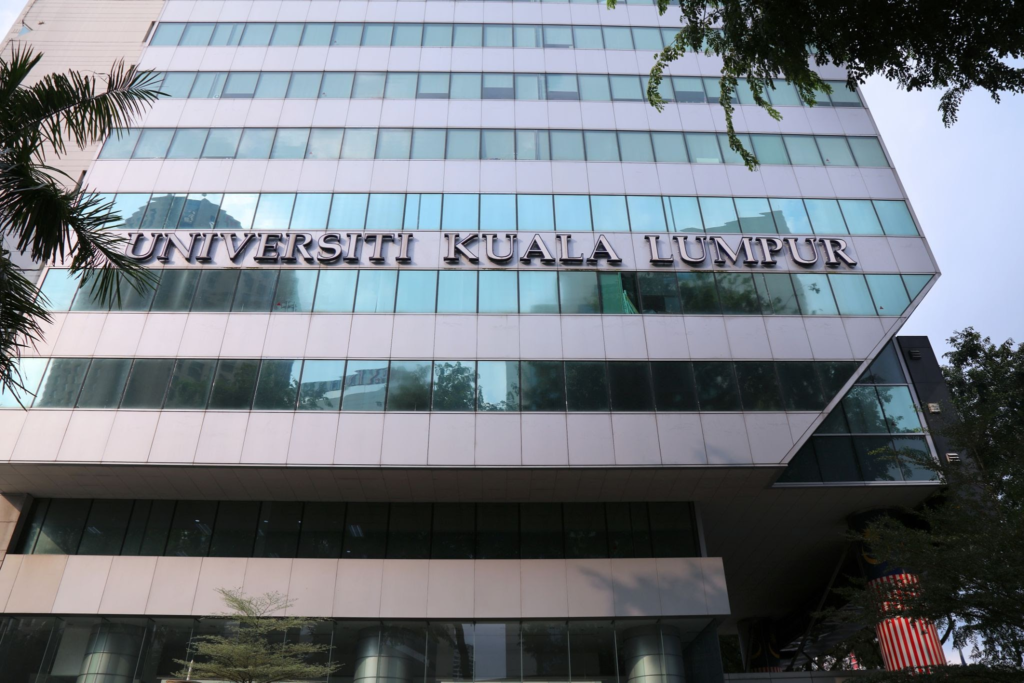
- The Branch Campus Advantage: One of Malaysia’s unique features is that it hosts foreign branch campuses of top-tier British and Australian universities, such as the University of Nottingham and Monash University. You can earn a prestigious Western degree while paying Malaysian tuition and living costs, saving you up to 60% of the total expense.
- Daily Expenses: Rent, food, and transport in cities like Kuala Lumpur are highly affordable, allowing a modest student budget to stretch incredibly far.
3. Poland and Hungary: Affordable European Gateways
Eastern and Central Europe are excellent choices if you want an EU-recognized degree without Western European prices.
- Poland: Polish public universities offer high-quality English-medium degrees in medicine, engineering, and data science at very moderate rates. The day-to-day cost of living in historic cities like Krakow or Warsaw is far lower than in neighboring France or the UK.
- Hungary: Hungary stands out for its warm hospitality and deep cultural history. Outside the capital city of Budapest, monthly student living costs drop significantly, making a two-year master’s program highly manageable financially.
Smart Strategies to Reduce Your Studying Expenses
Finding cheap study abroad programs is only the first step to keeping your expenses low. You can implement several practical strategies before and after your arrival to minimize your budget footprint.
Look for Direct Enrollment Paths
Many students make the mistake of using expensive third-party study abroad agencies or provider companies. While these providers offer a lot of support, they add heavy administrative fees. Applying directly to your target foreign university’s international admissions office cuts out the middleman, ensuring you pay the standard, low local tuition rate.
Target Lesser-Known Student Cities
Living costs vary dramatically within the same country. Opting for a university located in a smaller, student-centered town rather than a massive capital city will instantly slash your monthly rent and daily expenses.
- In Germany, swap expensive Munich for affordable Leipzig or Hannover.
- In Portugal, choose historic Coimbra or Braga over bustling Lisbon.
- In Poland, consider Wroclaw or Poznan instead of downtown Warsaw.
Maximize Part-Time Work Opportunities
Most countries grant international student visa holders the legal right to work part-time. Typically, you can work up to 20 hours per week during the academic semester and full-time during official university breaks.
Important Rule of Thumb: Working a student job is an excellent way to cover your daily groceries, pocket money, and local travel expenses. However, do not rely entirely on part-time wages to pay for your core tuition or mandatory visa blocked-accounts, as finding a job takes time.
Navigating Scholarships and Financial Aid
You can reduce your costs even further by securing international funding. Governments and universities worldwide offer robust financial support packages designed specifically to attract global talent.

- The Stipendium Hungaricum (Hungary): This fully funded government scholarship covers your entire tuition, provides a monthly living stipend, contributes to accommodation costs, and includes free medical insurance.
- DAAD Scholarships (Germany): The German Academic Exchange Service provides thousands of merit-based monthly stipends for international postgraduate students to cover their cost of living.
- Taiwan Government Scholarships: Designed to boost their technology sectors, these awards offer international STEM and engineering students full tuition waivers alongside robust monthly living allowances.
Frequently Asked Questions
1. Can I study abroad for cheap if I don’t speak a second language?
Yes. Many universities in non-English speaking nations (such as the Netherlands, Germany, Poland, and Malaysia) offer thousands of full degrees taught entirely in English.
2. What exactly is a “semester contribution” fee?
Common in countries like Germany, this is a mandatory administrative fee paid to the university twice a year. It does not pay for instruction; instead, it funds student union services, campus facilities, and frequently includes a regional public transit pass.
3. Do cheap study abroad programs carry less prestige on a resume?
Not at all. The price of education in many countries reflects government funding policies, not academic quality. Institutions like the Technical University of Munich (Germany) or the University of Malaya (Malaysia) are highly affordable but rank among the top 100 universities globally.
4. What is a visa “blocked account” and do I need one?
Several European nations require international students to prove financial self-sufficiency by depositing a set amount of money (usually around €11,000) into a restricted bank account before arrival. The bank releases a fixed portion of this money to you each month to ensure you can cover your basic living costs.
5. Are there affordable ways to get health insurance while abroad?
Most budget-friendly countries offer international students access to their public healthcare systems at heavily discounted student rates (often around €30 to €100 per month), providing comprehensive medical coverage without high premium costs.
6. Can I transfer credits from a low-cost program back to my home university?
Yes, provided you arrange a prior credit-recognition agreement. If you are doing a short-term exchange or semester abroad, your home university’s registrar must approve the foreign courses beforehand to ensure the credits transfer cleanly toward your graduation requirements.
7. How early should I start applying for budget international programs?
It is best to start preparing your application paperwork 8 to 12 months before your intended start date. This gives you plenty of time to translate documents, meet language requirements, apply for competitive scholarships, and navigate visa processing times.
8. Which budget destination is best for medical and healthcare degrees?
Central European countries like Poland and Hungary are highly popular for medical programs. Their medical degrees are fully recognized by global bodies like the World Health Organization (WHO), but cost a fraction of the tuition charged by private institutions in the West.
9. Are textbooks and course materials expensive overseas?
In many affordable study destinations, professors rely heavily on digital readers, open-source articles, and library reserves. Students rarely have to drop hundreds of dollars on physical textbooks like they do in the United States.
10. Can I stay and work in my host country after graduating from a cheap program?
Yes, many budget-friendly nations offer dedicated post-study transition visas. For example, Germany gives graduates 18 months, while Poland and Portugal offer 12-month permits to stay, look for a qualified position, and transition into a standard professional work visa.
also read: https://cherishsstudy.com/high-school-study-abroad-programs/
Conclusion
Chasing a global education does not require you to take on heavy financial debt. By researching cheap study abroad programs, targeting nations with subsidized public tuition, and selecting affordable college towns, you can build an incredible international student experience that respects your budget. The door to international education is wide open—all it takes is strategic planning, an adventurous spirit, and the willingness to explore budget-friendly paths.