The Ultimate Guide to Global Learning: Choosing the Best Study Abroad Programs for College Students
Stepping outside your comfort zone is the defining moment of a university education. For decades, traditional textbooks and lecture halls have formed the core of higher education. However, the modern global economy demands something more: adaptability, cross-cultural fluency, and a global mindset. This is exactly why study abroad programs for college students have evolved from a luxury travel opportunity into a strategic academic asset.

When you choose to spend a summer, a semester, or an entire academic year in a foreign country, you are not just traveling; you are completely reshaping your worldview. From navigating historic European streets to conducting field research in thriving Asian tech hubs, global education changes how you think, learn, and grow. This comprehensive guide breaks down everything you need to know about modern study abroad opportunities, helping you make an informed decision for your academic future.
Why International Education Matters More Than Ever
Living and studying in a foreign environment forces you to develop critical life skills that cannot be taught in a standard classroom. When students are fully immersed in a new culture, they experience a sharp increase in self-confidence, independent problem-solving abilities, and personal maturity. You learn how to balance a personal budget, navigate complex foreign transit networks, and communicate effectively across language barriers.
Furthermore, academic institutions across the world offer highly specialized curricula that allow you to see your major from entirely new angles. For instance, an economics student studying in Singapore learns firsthand about Asian financial markets, while a marine biology student in Australia gains direct access to unique ocean ecosystems. This practical exposure turns theoretical concepts into tangible, real-world knowledge.
The Core Types of Study Abroad Programs
Not all international experiences are structured the same way. Universities offer diverse pathways tailored to fit different academic schedules, financial budgets, and personal comfort levels. Understanding these structural differences will help you select the ideal format for your degree program.
1. Traditional Semester and Year-Long Exchanges
These classic programs allow you to enroll directly into a partner university abroad while remaining registered at your home campus. You live like a local student, attend regular university lectures, and experience the host country’s changing seasons. This deep immersion is perfect for building advanced foreign language skills and creating deep, lifelong international networks.
2. Faculty-Led Short-Term Programs
If you are hesitant about spending several months away from home, short-term programs offer an excellent alternative. Usually lasting between two and eight weeks during summer or winter breaks, these programs are designed and led by professors from your own college. You travel with a cohort of your peers, focusing intensely on a single subject or field study while earning direct academic credits.
3. Global Internships and Service Learning
Combining professional work experience with international travel is an increasingly popular route. Global internships place you within international businesses, non-profit organizations, or research laboratories. This practical exposure gives you tangible workforce skills while proving to future employers that you can thrive in diverse, multicultural professional environments.
Top Global Destinations and Career Alignments
The global landscape of international education has expanded dramatically. While classic Western European nations remain highly popular, dynamic educational hubs across Asia and specialized European markets are seeing major growth. Today’s students strategically align their travel choices with their long-term employment goals.
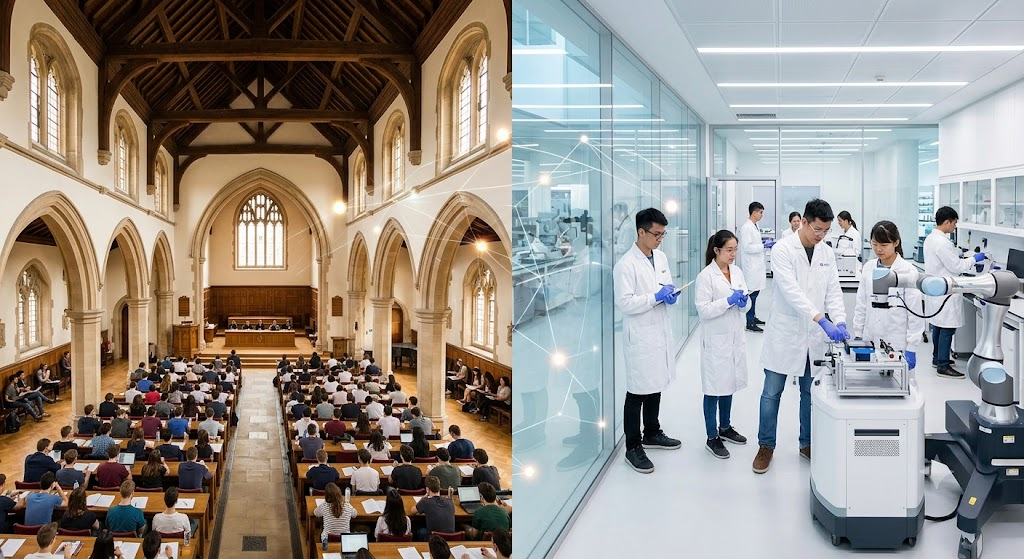
The table below outlines the primary costs, core academic strengths, and post-study opportunities across major international destinations:
| Country | Average Annual Tuition & Living | Best Academic Disciplines | Post-Study Work Benefits |
| Germany | Low (€10,000–€15,000) | Engineering, Automotive, Renewable Energy | 18-Month Job Seeker Visa |
| Canada | Moderate (CAD $35,000–$55,000) | Data Science, Healthcare, AI Systems | Up to 3-Year Post-Grad Work Permit |
| Australia | High (AUD $45,000–$65,000) | Environmental Science, Biomedicine, FinTech | 1.5 to 3-Year Post-Study Work Visa |
| Singapore | High (SGD $40,000–$60,000) | Business Analytics, Finance, Logistics | Elite corporate recruitment access |
| Netherlands | Moderate (€15,000–€28,000) | Sustainable Design, International Law, Tech | 30-Month Highly Skilled Migrant track |
The Financial Reality: Budgeting and Scholarships
The initial price tag of global education can seem intimidating, but financial barriers should not deter you from applying. With careful planning and proactive research, international education can become highly affordable. Many universities allow your standard financial aid packages, grants, and federal student loans to transfer directly to approved overseas programs.

Crucial Budget Tip: Always calculate the local cost of living rather than just focusing on university tuition fees. Hidden expenses like mandatory international health insurance, local student visas, flight tickets, and daily public transit can add up quickly if they are not planned for in advance.
Additionally, numerous public and private organizations offer substantial funding opportunities based on academic merit, financial need, or specific areas of study:
- The Gilman Scholarship: Funded by the U.S. Department of State, this program provides awards for undergraduate students of limited financial means to pursue seminars or internships abroad.
- Critical Language Scholarships (CLS): A fully funded summer immersion program designed to help students master languages that are essential to national security and global commerce.
- Boren Awards: These grants provide significant funding for students who focus on geographic areas and languages that are critical to global stability.
- Institutional Grants: Most major university study abroad offices manage dedicated alumni funds specifically earmarked to help students cover travel expenses.
Steps to Selecting Your Ideal Program
Finding the perfect fit requires balancing personal goals with strict university requirements. Follow this systematic roadmap to ensure a smooth transition from your home campus to your international host city.
The Study Abroad Planning Sequence
1.Verify Your Academic Eligibility:
Meet with your primary academic advisor to review your GPA, check degree prerequisites, and pinpoint the exact semester that makes the most sense for you to travel without delaying your graduation date.
2.Research and Choose Approved Programs:
Visit your university’s study abroad resource center. Compare internal exchange options against external third-party providers, focusing on course availability and safety records.
3.Secure Formal Course Transfer Approvals:
Obtain official signatures from your department head confirming that every single class you take abroad will successfully transfer back to fulfill your graduation requirements.
4.Submit Applications and Funding Requests:
Complete your university application forms, submit required personal statements, request faculty recommendation letters, and apply for every applicable travel scholarship simultaneously.
5.Navigate Visa Processing and Logistics:
Apply for your official student visa through the host nation’s consulate, book your round-trip flights, secure international health coverage, and finalize your overseas housing arrangements.
Frequently Asked Questions
1. Can I still study abroad if I do not speak a foreign language?
Yes. A large percentage of global programs are hosted in English-speaking nations or at international universities that teach their entire curriculum in English, even in non-English speaking countries like the Netherlands, South Korea, or Japan. However, taking an introductory course in the local language is highly recommended to help you manage your daily life outside of class.
2. Will participating in an international program delay my college graduation?
Not if you plan carefully. As long as you work closely with your academic advisors and secure formal course equivalency approvals before you depart, the credits you earn overseas will count directly toward your major, minor, or general graduation requirements.
3. How do medical care and emergency services work while living overseas?
Virtually all accredited programs require you to purchase comprehensive international student health insurance. This insurance covers routine doctor visits, emergency medical care, and medical evacuation if necessary. Host universities also have dedicated international student support offices to assist with health emergencies.
4. Can science, technology, engineering, and math (STEM) majors easily study abroad?
Absolutely. While STEM majors face strict sequencing in their coursework, many international institutions offer excellent laboratory access and English-taught engineering or computer science classes. Short-term summer terms or winter field studies are also highly popular options for science students.
5. What is the difference between a direct exchange and a third-party provider?
A direct exchange involves moving between two universities that have a formal partnership, meaning you pay your normal home tuition rate. Third-party providers are independent organizations that manage your housing, excursions, and admissions for a flat program fee, often providing extra on-site logistical support.
6. Am I allowed to work a part-time job while studying in a foreign country?
This depends entirely on the visa laws of your host country. Destinations like Australia and Canada permit international students to work a set number of hours per week during the academic semester. Other nations, like Singapore or the United States, place strict legal limits on off-campus employment for exchange students.
7. How can I best deal with severe culture shock and homesickness?
Experiencing culture shock is a completely normal part of the adjustment process. The most effective ways to push through it include establishing a stable daily routine, joining local university clubs, staying active, and maintaining regular but balanced communication with your family back home.
8. What happens if a class I planned to take abroad gets canceled?
Always maintain a pre-approved list of backup courses before you leave your home campus. If a primary class is canceled during orientation week, you can immediately enroll in a pre-approved alternative course without risking your credit transfers.
9. Can I apply for global programs as a freshman or a graduating senior?
Most institutions require students to have completed at least one full academic year (two semesters) of foundational college coursework before they are eligible to travel. Graduating seniors can occasionally study abroad during their final semester, but they must ensure there are no delays in processing their final international transcripts.
10. How do I effectively showcase my international experience on a resume?
Avoid simply listing the country you visited. Instead, frame your experience on your resume under a professional light. Focus on concrete skills like cross-cultural communication, working with diverse teams, adaptability, field research methodologies, or professional foreign language proficiency.
Conclusion
Participating in study abroad programs for college students is a foundational step toward building a successful global career. The journey requires dedication, detailed financial research, and careful academic planning, but the long-term rewards are unmatched. By stepping outside the boundaries of your home campus, you will return with advanced academic insights, unforgettable global memories, and a distinct professional advantage that will serve you well into the future.