Navigating the World: An In-Depth Guide to New York University Study Abroad Programs
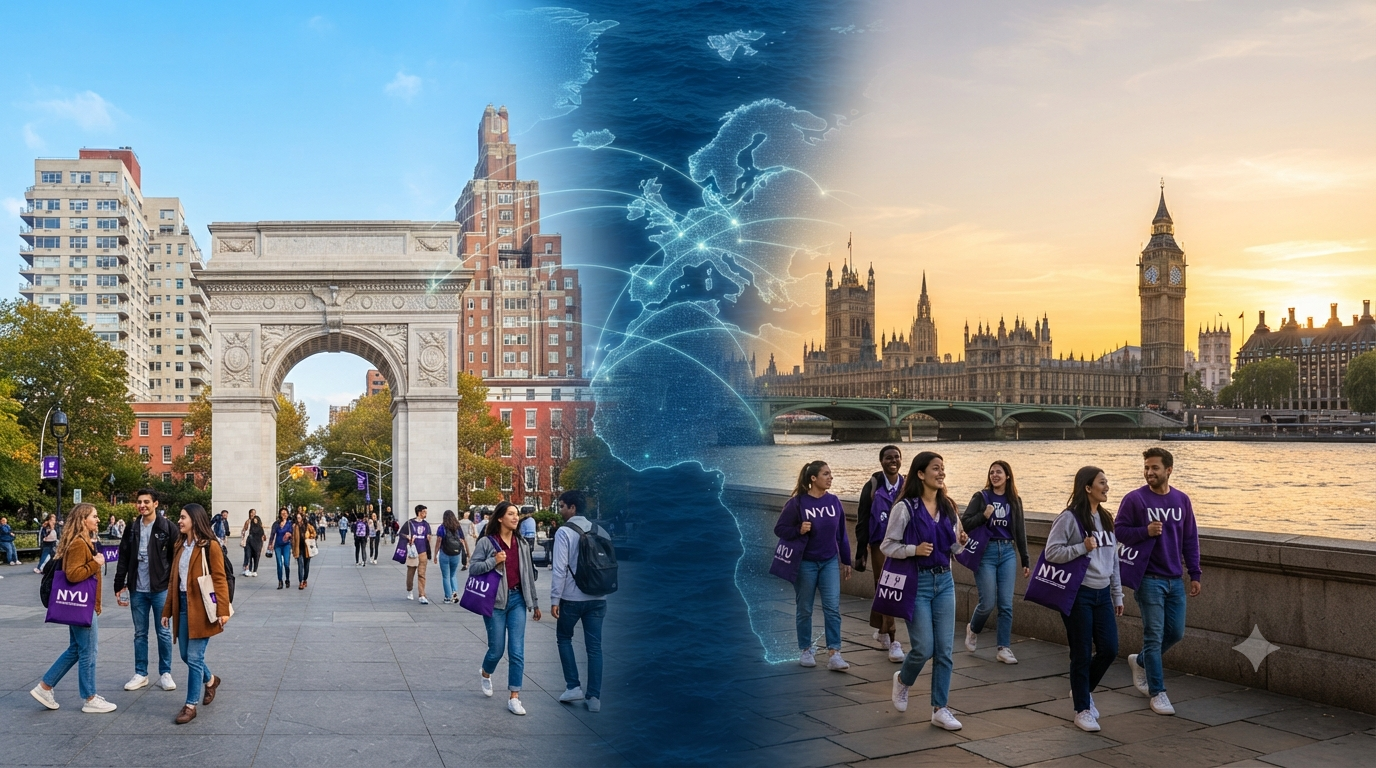
Education extends far beyond the traditional four walls of a classroom. For modern college students, global competency, cross-cultural communication, and international adaptability are critical components of a comprehensive higher education. Few institutions embody this philosophy as robustly as New York University. Known widely for its distinctive “in and of the city, in and of the world” mantra, NYU has pioneered a unique educational model that treats the globe as an interconnected campus.

At the heart of this international mission are new york university study abroad programs. Rather than treating international study as an auxiliary or optional add-on, NYU has integrated global exploration directly into the core framework of undergraduate and graduate life. This comprehensive ecosystem allows thousands of students each year to pack their bags, immerse themselves in new cultures, and earn degree-applicable credits without delaying their graduation timelines.
The Unique Architecture of NYU’s Global Network
What sets new york university study abroad programs apart from typical university offerings is the depth and scale of the institution’s infrastructure. Most universities rely on third-party provider programs or exchange agreements with foreign universities. While those options have merit, NYU operates its own network of degree-granting campuses and dedicated academic centers across multiple continents.
This infrastructure means that students taking courses abroad are still taught by approved NYU faculty and local experts who adhere to the university’s rigorous academic standards. The curriculum is intentionally designed to mirror the home campus experience while leveraging the unique resources of the host city. Whether a student is analyzing microeconomics in London, exploring art history in Florence, or investigating public health systems in Ghana, the academic rigor remains uncompromised.
Degree-Granting Campuses vs. Global Academic Centers
To fully understand how these global opportunities function, it helps to look at the two main pillars of the network:
- Portal Campuses: NYU features fully integrated, degree-granting comprehensive campuses in Abu Dhabi and Shanghai. Students can spend multiple years or entire degree tracks studying at these locations, earning a prestigious NYU degree while living in major international hubs.
- Global Academic Centers: These sites function as specialized hubs where students typically spend a semester, academic year, or short-term term. Popular locations include London, Paris, Berlin, Madrid, Florence, Prague, Buenos Aires, Accra, Tel Aviv, Sydney, and Washington, D.C.
Program Options and Academic Flexibility
A common anxiety among college students considering international education is whether they will fall behind in their major requirements. New york university study abroad programs are structured specifically to eliminate this worry. The course catalogs at global sites include general education requirements, major-specific classes, minor prerequisites, and free electives.

Semester and Academic Year Options
For undergraduate students who have achieved sophomore status, spending a traditional semester or full academic year abroad is widely accessible. These programs cater to a massive variety of majors—from business and political science to studio art and engineering. Students can maintain full-time student status, continue receiving eligible financial aid, and stay tightly synchronized with their graduation tracking plans.
Short-Term and Summer Term Programs
For those whose major curriculum is rigid—such as certain STEM tracks—or for students who simply prefer a shorter international immersion, summer and January-term (J-Term) sessions provide ideal flexibility. These intensive programs typically run for three to six weeks, allowing students to complete core credits, engage in targeted fieldwork, or participate in global internships without committing to an entire semester away from New York.
Popular Global Destinations and Their Specialties
Every global site within the NYU network leverages its geographic location to offer specialized learning paths. The table below outlines several prominent destinations within new york university study abroad programs and what they are best known for:
| Study Abroad Location | Primary Focus & Academic Highlights | Unique Cultural Opportunities |
| London, United Kingdom | Business, theater, journalism, and humanities | West End theatre immersion and corporate internships |
| Florence, Italy | Fine arts, art history, Italian language, and literature | Renaissance architectural studies and local community projects |
| Shanghai, China | Business in Asia, Mandarin language immersion, and social sciences | Tech-sector site visits and cross-cultural startup seminars |
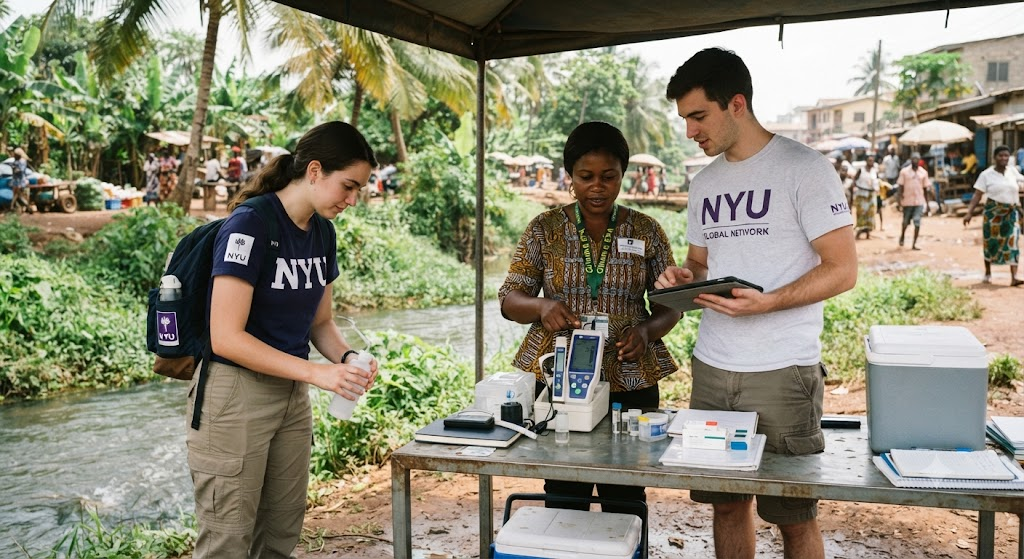
| Accra, Ghana | Public health, global development, African studies, and arts | Community-based internships and environmental fieldwork |
| Buenos Aires, Argentina | Spanish language intensity, Latin American politics, and cultural studies | Immersive homestays and historical policy seminars |
Experiential Learning and Professional Growth
Studying overseas through NYU is not merely about sitting in a different classroom; it is fundamentally about experiential education. The university builds real-world application directly into the curriculum through structured components:
also read: https://cherishsstudy.com/study-abroad-programs-for-college-students/
- Global Internships: Students can secure semester-long or summer internships with local businesses, non-governmental organizations, media outlets, and governmental bodies, gaining international work experience for their resumes.
- Field-Based Courses: Many classes replace traditional lectures with excursions, museum tours, and direct interactions with local industry leaders, transforming the host city into a living textbook.
- Intercultural Development: By navigating public transit systems, overcoming language barriers, and building relationships with local residents, students cultivate high-level emotional intelligence and adaptability—traits heavily sought after by modern global employers.
Support Systems, Inclusion, and Accessibility
Embarking on an international journey can feel daunting, which is why NYU maintains robust support structures across its entire global network. The university ensures that study abroad is safe, inclusive, and accessible to everyone. Comprehensive orientation programs prepare outbound students for cultural adjustment, health and safety protocols, and daily logistics.
Furthermore, NYU is deeply committed to equity and inclusion abroad. Specialized resources are available to support BIPOC students, LGBTQIA+ scholars, and neurodivergent learners, ensuring safe and welcoming environments worldwide. The Moses Center for Student Accessibility collaborates closely with global site liaisons to provide necessary academic accommodations internationally, proving that global education should never be limited by physical or learning accessibility needs.
Frequently Asked Questions
1. Do I need to speak a foreign language to study at NYU global sites?
No. The vast majority of courses across NYU’s global academic centers (such as London, Florence, Tel Aviv, and Prague) are taught entirely in English. Foreign language proficiency is only required if you choose specific advanced-level language immersion tracks, though introductory language classes are widely available.
2. Can non-NYU students participate in these study abroad programs?
Yes, certain programs and select global sites welcome visiting students from other accredited colleges and universities, provided they meet the academic prerequisites and application guidelines established by NYU Global Programs.
3. How does financial aid apply when studying away?
Most institutional financial aid, scholarships, and federal loans travel with you when you participate in an official NYU semester or academic year program away. Financial aid counselors work individually with students to adjust budgets according to the cost-of-living differences in various host cities.
4. Are first-year students allowed to study abroad?
While standard upperclassman study away begins during the sophomore year, NYU offers unique select options—such as the “First Year Away” program—where incoming freshman can begin their very first semester at select international global campuses.
5. What kind of housing is provided for students abroad?
Housing arrangements vary by location but typically include university-leased residence halls, shared apartments in safe residential neighborhoods, or carefully vetted homestay families that offer maximum cultural immersion.
6. Will studying abroad delay my expected graduation date?
No. Because the courses offered at global sites directly fulfill major, minor, or elective degree requirements, careful planning with your academic advisor ensures that you stay completely on track to graduate within four years.
7. How safe are NYU’s global academic centers?
Student safety is a top priority. All NYU global sites feature 24/7 emergency contact lines, secure residential facilities, experienced local administrative staff, and comprehensive orientation protocols designed to keep students informed and secure.
8. Can graduate students take advantage of NYU global programs?
Yes. Several NYU graduate schools (such as Steinhardt and Wagner) offer specialized short-term international courses, global research seminars, and graduate-level study abroad components designed for professional advancement.
9. What is the application process and timeline?
Students typically apply one semester in advance through the online NYU Global portal. The application requires a statement of purpose, proof of good academic standing, and approval from your primary home school advisor.
10. Can I participate in extracurricular activities or clubs while abroad?
Absolutely. Global sites organize frequent cultural excursions, community service events, student government councils, and recreational sports leagues, encouraging students to actively integrate into the local community.
Conclusion
New York University’s approach to global education redefines traditional learning boundaries. By weaving a robust network of international campuses and academic centers directly into the university structure, new york university study abroad programs empower students to step outside their comfort zones and experience the world firsthand.

From maintaining strict academic progress and securing international internships to fostering profound cross-cultural awareness, these programs equip the leaders of tomorrow with the global perspective necessary to thrive in an interconnected society.